
Solar Shingles vs. Reflective Roof Coatings: What Actually Lowers Your Energy Bills in San Antonio


When a South Texas summer pushes your air conditioner into overdrive for months at a time, it's natural to start researching every roofing option that promises lower energy bills. Solar shingles come up often in that search, and the technology is genuinely interesting. Before assuming solar shingles are your only path to a cooler, more efficient roof, it helps to understand how they work, what they require, and why a different roofing upgrade might solve your energy problem faster and at a fraction of the cost.
What Are Solar Shingles, exactly?
Solar shingles are roofing materials with photovoltaic cells built directly into them, shaped and colored to resemble asphalt shingles, slate, or tile. Instead of mounting separate panels on top of your roof, the shingles themselves generate electricity while blending into the roofline. For homeowners who like the idea of solar power but don't want the look of traditional panels, that's an appealing combination.
One detail that doesn't always come up in the marketing: solar shingles typically make the most sense during new construction or a full roof replacement, since they function as both the roofing surface and the power-generating layer. Retrofitting them onto an existing roof that isn't already being torn off usually isn't practical. They also come with a higher price tag than standard solar panels, a longer list of qualified installers to sort through, and a payback period that can stretch out for years depending on electricity usage and local incentives.
Solar shingles aren't a bad product. They simply solve a specific problem, generating your own electricity, in a way that assumes you're already replacing the roof.
Why So Many Homeowners Are Drawn to Solar Shingles
The appeal makes sense once you break it down:
Aesthetics. They preserve the traditional look of a home instead of adding visible panel arrays.
Dual function. One material handles both roofing and power generation.
Energy independence. Producing your own electricity can reduce reliance on the grid and help offset rising utility rates.
Incentives. Tax credits and rebates in many areas can help offset the upfront investment.
Environmental impact. Generating electricity from sunlight reduces reliance on fossil-fuel power generation.
These are legitimate reasons to consider solar shingles, provided you're already planning new construction or a full roof replacement. Most homeowners calling around about high summer energy bills aren't in that position, though. Their roof is still structurally sound; it's just underperforming when it comes to heat.
A Practical Alternative: Reflective Roof Coatings
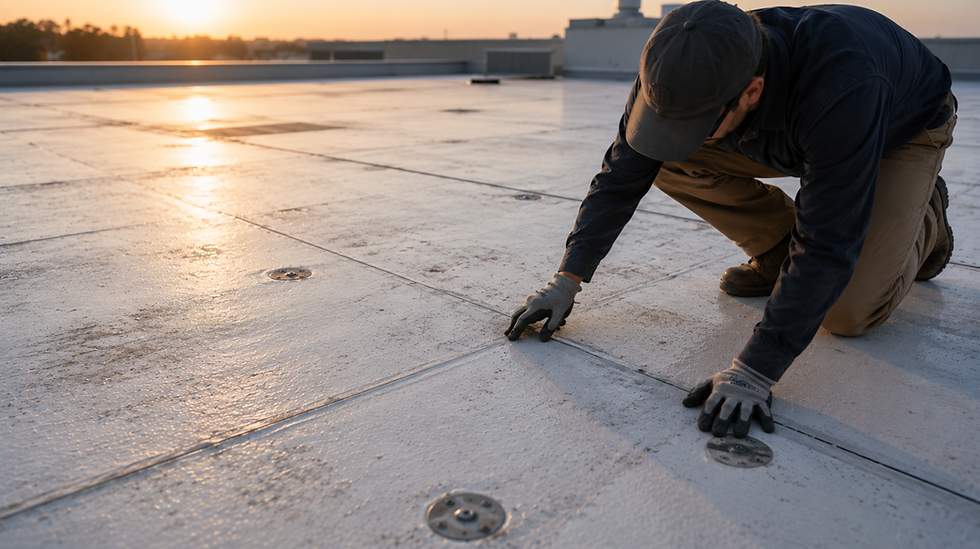
You don't need to replace your roof to fix a heat problem, though that point often gets lost in solar shingle research. A properly applied reflective, energy-efficient roof coating addresses the same issue, excessive heat transfer into the building, without tearing off a single shingle or tile.
The science behind it is straightforward. Every roof has two properties that determine how much heat it sends into your home: solar reflectance (how much sunlight it bounces back instead of absorbing) and thermal emittance (how efficiently it releases the heat it does absorb). Standard dark-colored roofing materials tend to perform poorly on both counts, which is why attic and interior temperatures climb on sunny afternoons and your HVAC system works overtime. A high-performance roof coating is engineered to improve both properties, which keeps the roof surface and the space underneath it significantly cooler.
Roof coating systems generally fall into a few categories; each suited to different roof types and climate demands:
Elastomeric coatings, valued for flexibility and their ability to expand and contract with temperature swings.
Silicone coatings, known for excellent waterproofing performance and resistance to ponding water on low-slope roofs.
Acrylic coatings, a cost-effective option with strong reflective properties for many residential and commercial applications.
The right choice depends on your roof type, slope, existing material, and climate exposure, which is exactly what a proper roof inspection is meant to sort out before any coating gets applied.
How the Coating Process Works
Unlike a full roof replacement, applying a protective roof coating is a restoration process built around your existing roof structure:
Inspection and assessment. A qualified roof consultant evaluates the current condition, identifies problem areas, and confirms the roof is a good candidate for coating.
Cleaning and repair. The surface is cleaned and any cracks, blisters, or minor leaks are addressed before coating begins.
Priming (when needed). Certain substrates require a primer to help the coating adhere properly.
Coating application. The reflective, waterproof coating system is applied in the appropriate thickness for the roof type and expected exposure.
Curing. The system cures into a seamless, monolithic membrane that seals seams and penetrations along the way.
The result is a roof that reflects more heat, resists water intrusion, and, as a bonus most homeowners don't expect, often lasts significantly longer because the coating protects the underlying material from UV degradation and weather cycling.
How the Two Options Compare
The two options solve fundamentally different problems. Solar shingles exist to generate electricity, and they only make sense as part of a full roof replacement or new-construction project, since the shingles themselves become the roofing surface. That means a full tear-off, a rebuilt roof, and a timeline measured in weeks. Reflective and energy-efficient roof coatings exist to reduce heat transfer and protect the roof you already have, applied directly over the existing surface with minimal disruption and often completed in a matter of days.
These differences carry through in other ways, too. A solar shingle installation resets your roof's life cycle entirely, since you're replacing it outright, while a coating system extends the life of the current roof by shielding it from UV exposure and weather cycling. Coatings also add a layer of waterproofing and leak resistance that a standard roofing warranty doesn't cover. Because a coating doesn't require rebuilding the roof from the deck up, the upfront investment is typically far more moderate than a full replacement built around solar shingles.
Which Option Fits Your Situation?
If you're already committed to a full roof replacement or new construction and you want to explore power generation, solar shingles are worth a conversation with a licensed solar installer. That's a legitimate use case for the product.
But if your roof is structurally sound and the real issue is heat, high summer bills, or an aging surface that's starting to show its age, a reflective roof coating paired with roof restoration typically solves the problem faster, with far less disruption, and at a lower overall cost. This is especially true for commercial properties. Flat and low-slope roofs on warehouses, retail centers, and multifamily buildings are some of the best candidates for reflective coating systems, since large surface areas translate into meaningful reductions in cooling load.
Why Reflectivity Matters So Much in San Antonio's Climate

San Antonio's long, intense cooling season means roofs here absorb far more solar heat over the course of a year than roofs in milder climates. That heat doesn't stay outside. It works its way through the roof deck and into attics, ceilings, and living or working space below, forcing HVAC systems to run longer and harder. The same holds true across Austin, Boerne, New Braunfels, and San Marcos, where similar summer conditions put the same strain on cooling systems.
Cool-roof research consistently points to the same pattern: reflective roofing delivers the greatest energy savings in hot, sunny climates on buildings with lower levels of roof insulation, which describes much of the housing and commercial building stock across South Central Texas. There's more on the science behind solar reflectance and thermal emittance if you'd like to dig into the research further.
Getting a Clear Picture Before You Decide
Whichever direction you're leaning, the smartest first step is the same: get an honest assessment of your current roof's condition before committing to any major investment. A roof consultant can tell you whether your roof is a strong candidate for a reflective coating, whether restoration would extend its usable life, and roughly what kind of energy performance improvement you can realistically expect.
At RoofHelp! | Coatings, that assessment is exactly where every project starts, with an inspection, not a sales pitch. Click here to learn more about what a roof inspection checklist covers before any coating work begins.
If you'd rather skip straight to numbers, homeowners in the San Antonio area can also request a virtual roof quote to get a sense of cost and scope without waiting on an in-person visit.
Frequently Asked Questions
Are reflective roof coatings really as effective as solar shingles for lowering energy bills?
They solve a different part of the equation. Solar shingles generate electricity, while reflective coatings reduce the amount of heat entering the building in the first place, which lowers the AC workload directly. For most homeowners not already replacing their roof, coatings deliver faster, more cost-effective energy relief.
Can a reflective coating be applied to any type of roof?
Most low-slope and flat roofs, along with many sloped roofing materials, are good candidates. A roof inspection is the only reliable way to confirm suitability, since age, existing material, and current condition all factor in.
How long do energy-efficient roof coatings typically last?
Performance varies by system and exposure, but a properly maintained reflective coating can extend the usable life of a roof by years while continuing to provide reflective and waterproofing benefits throughout that period.
Do roof coatings actually make a noticeable difference in a climate like San Antonio's?
Yes. Hot, sunny climates with long cooling seasons are where reflective roofing performs best, since there's more solar heat to deflect in the first place compared to milder regions.
Do I need a full roof replacement before I can add a reflective coating?
No. That's one of the biggest advantages of coating systems: they're applied over your existing roof as part of a restoration process, rather than requiring a tear-off.
Conclusion
Solar shingles are an interesting technology, but they're built for a specific scenario: new construction or a full roof replacement where power generation is the goal. If your actual concern is a hot roof, high summer energy bills, or a roof that's aging faster than it should, a reflective, energy-efficient coating solves that problem directly, without the cost, disruption, or timeline of a full roof replacement. Starting with a thorough inspection is the best way to find out which path fits your roof, your budget, and your energy goals.
If you're ready to find out whether a reflective coating makes sense for your roof, reach out through our contact page and a roof consultant will walk you through your options.


Comments