
Roof Maintenance Benefits: Avoid Costly Repairs Guide

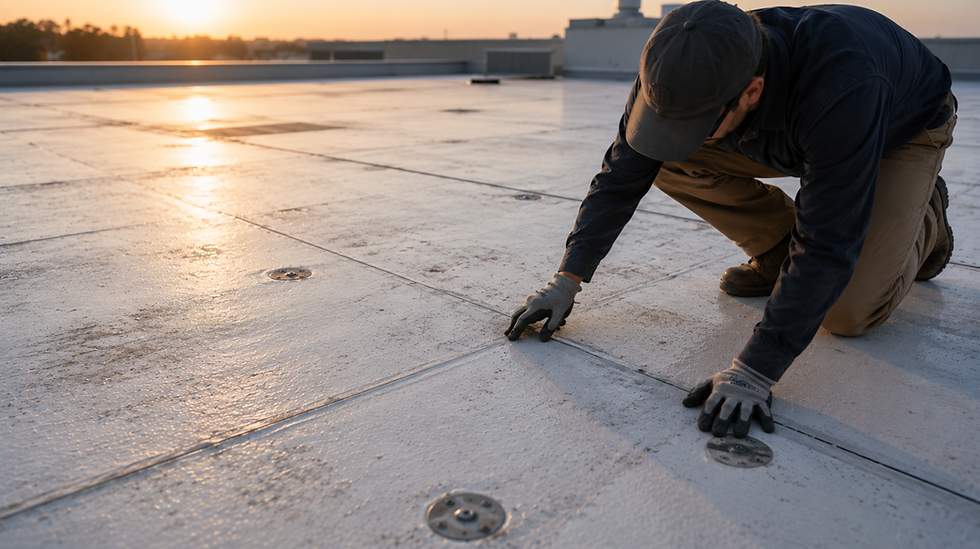
Your roof works harder than almost any other part of your building. It absorbs sun, wind, and rain year-round, yet it's usually the last thing property owners think about until something goes wrong. By then, a small problem has often turned into a much bigger, more expensive one.
Regular roof maintenance is what keeps that from happening. Instead of reacting to leaks and emergencies, you catch small issues while they're still inexpensive to fix. For commercial and residential property owners across San Antonio and surrounding areas, that difference can mean thousands of dollars saved and years added to a roof's usable life.
Why Roof Maintenance Matters More Than Most Owners Realize
A roof rarely fails all at once. It fails gradually, through small cracks, worn seams, ponding water, or a coating that has thinned in high-traffic areas. Left unchecked, these minor issues let moisture into the roofing system, where it damages insulation, weakens the roof deck, and eventually shows up as an interior leak.
Routine maintenance catches that process early. A trained inspector can spot warning signs long before they become visible from inside the building, including:
Small cracks or blisters in a roof coating
Ponding water that isn't draining properly
Seams or flashing beginning to separate
Soft spots that suggest trapped moisture
Wear patterns around rooftop equipment or high-traffic areas
Catching these problems early is far less disruptive, and far less expensive, than dealing with an active leak during business hours or a storm.
What Professional Roof Maintenance Actually Includes
A thorough maintenance visit goes beyond a quick walk across the roof. It's a documented process meant to give you an accurate picture of your roof's condition and what it needs going forward.
A comprehensive service typically includes:
A full visual inspection of the roof surface, seams, and flashing
Evaluation of the existing coating or membrane for wear, cracking, or thinning
Identification of ponding water or drainage issues
Minor repairs and resealing where needed
Written documentation with photos and recommendations
Guidance on whether recoating or restoration is appropriate
That documentation matters beyond peace of mind, too. Many manufacturer warranties require proof of regular maintenance, and skipping inspections can put warranty coverage at risk if a claim ever needs to be filed.
Why Maintenance Costs So Much Less Than the Alternative
The cost difference is easy to see once you lay it out. A scheduled maintenance visit typically runs a few hundred dollars and happens on a predictable twice a year schedule. Reactive repairs tend to show up at the worst possible time, often right after a storm, and can run into the thousands once you factor in emergency response and any interior damage. Full roof replacement costs far more than either option, and with consistent maintenance, it's a cost most property owners can push back by years instead of facing ahead of schedule.
Maintenance keeps that bill small, and it does so on purpose.
How Maintenance Protects Your Roof Coating Investment
If your roof has been treated with a reflective, waterproof, or elastomeric coating system, maintenance plays an even more direct role in protecting that investment. These coating systems are built to seal seams, reflect heat, and keep water out, but like any protective layer, they perform best when checked regularly for wear.
A maintenance visit confirms the coating is still intact, still reflective, and still doing its job of reducing heat transfer into the building. Catching a thin or cracked section early means a simple touch-up rather than a full recoating years ahead of schedule. That's why we recommend pairing any coating or restoration project with an ongoing maintenance plan, so it keeps performing the way it was designed to.
If you're not sure what your roof needs right now, requesting a professional roof evaluation is the most reliable way to find out where you stand before small issues turn into bigger ones.
Maintenance Tips Property Owners Can Handle Between Visits
Professional inspections should happen at least twice a year, ideally in spring and fall, but there are things you can watch for in between visits:
Look for standing water. Water that sits on the roof for more than 48 hours after rain can signal a drainage problem.
Watch for visible coating wear. Cracking, peeling, or discoloration are signs a section may need attention.
Note any interior signs of moisture. Stains on ceilings or walls often trace back to a roof issue.
Limit unnecessary rooftop traffic. Foot traffic around HVAC units and vents is a common source of accelerated wear.
Keep records of any storms or heavy weather. This helps a professional know where to focus during the next inspection.
If you notice any of these signs, it's best to have a professional take a closer look rather than waiting for the next scheduled visit.
When to Call a Professional Right Away
Some issues shouldn't wait for a routine inspection. Call a professional promptly if you notice:
Active leaks or water stains inside the building
Large areas of ponding water that don't drain within a couple of days
Visible tears, blistering, or separation in the roof coating
Damage following a major storm or high winds
A noticeable increase in indoor temperature or cooling costs
Consistent upkeep is one of the most reliable ways to protect a roof's expected service life and avoid warranty complications. Acting quickly on these warning signs keeps small problems from becoming major, expensive projects.
For a closer look at what a full evaluation should cover, click here to learn more about building a thorough roof inspection checklist.
At RoofHelp! | Coatings, we work with property owners across San Antonio and the surrounding areas to build maintenance plans that fit the specific coating system and condition of their roof, rather than a one size fits all schedule.
Long-Term Savings That Add Up
The value of maintenance builds over time. A well-maintained coated roof consistently outlasts a neglected one because small repairs never get the chance to become structural problems. Beyond avoiding emergency repair costs, regular maintenance supports:
Lower long-term repair costs
Reduced cooling costs from a properly functioning reflective coating
Stronger property value and curb appeal
Fewer disruptions to daily business operations
Continued eligibility for manufacturer warranty coverage
For property owners keeping an eye on both budget and operations, that kind of predictability is worth just as much as the dollars saved.
FAQ Section
What does a professional roof maintenance visit include?
A thorough visit includes a full visual inspection, evaluation of the coating or membrane, minor repairs, drainage checks, and written documentation with photos and recommendations.
Can roof maintenance extend the life of a roof coating?
Yes. Regular maintenance catches early wear, cracking, or thinning in a coating system, allowing for small touch-ups instead of a full recoating years ahead of schedule.
Is roof maintenance worth it for an older roof?
Often, yes. Maintenance can help an aging roof perform reliably longer and may delay the need for restoration, though a professional assessment is the best way to confirm what makes sense for your specific roof.
What are signs my roof needs immediate attention?
Active leaks, standing water that won't drain, visible tears or blistering in the coating, and storm damage all warrant a prompt inspection rather than waiting for a scheduled visit.
Do I still need maintenance if my roof was recently coated or restored?
Yes. A new coating or restoration performs best with ongoing maintenance to confirm it's holding up as expected and to catch any localized wear before it spreads.
Conclusion
A roof's condition rarely announces itself until there's already a problem to deal with. Regular maintenance gives property owners a clear, documented picture of their roof's health and the chance to address small issues before they become expensive ones. Consistent care is what keeps a coated or restored roof performing the way it was built to, year after year.


Comments