
New Roof or Roof Coating? What San Antonio Property Owners Should Know First

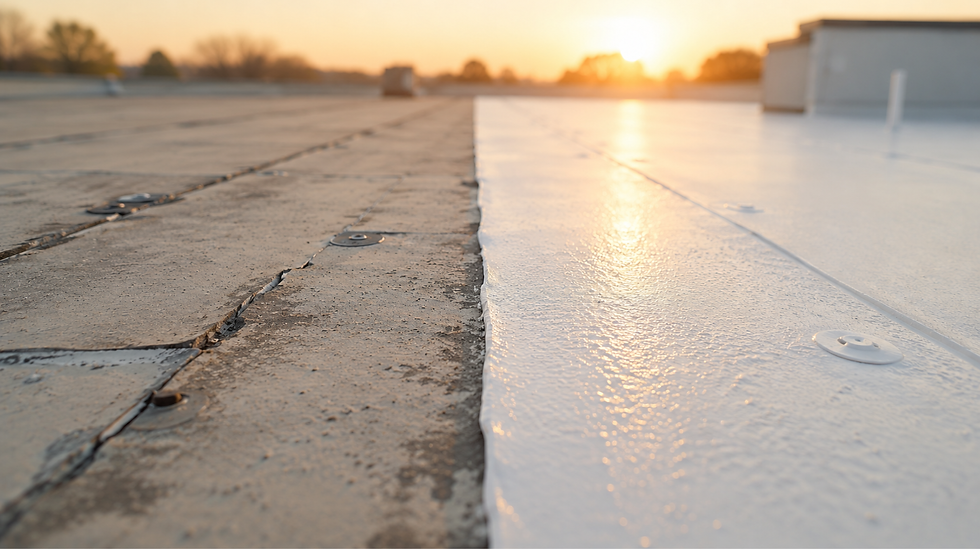
If your roof is showing its age, you've probably started weighing your options. Maybe you've looked into a full tear-off. Maybe a contractor mentioned metal panels as a long-lasting upgrade. Both can make sense in the right situation, but before you commit to the cost, disruption, and timeline of a full roof replacement, it helps to know about a third option that often gets skipped over: restoring and protecting the roof you already have.
For a lot of homes and commercial buildings across San Antonio, that third option turns out to be the more practical one.
Why San Antonio Roofs Wear Out Faster Than You'd Expect
Roofs here don't get a break. Summer sun pushes surface temperatures well past what the underlying materials were built to handle, day after day. Hail and sudden downpours stress seams and flashing. Then temperatures swing again, and the roof expands and contracts through another cycle. Over time, that constant movement is what breaks down membranes, dries out asphalt, and opens small gaps that turn into leaks.
That's why so many property owners start looking into replacement sooner than they expected, often years before the roof has actually reached the end of its usable life.
What Full Replacement Actually Solves, and What It Doesn't
Full roof replacement makes sense when the structural decking is compromised, when the existing roofing material has failed beyond repair, or when a property owner wants a completely different roofing system than what's currently installed. Materials like metal panels, for example, are often chosen for their long service life and their ability to reflect heat, which can meaningfully lower cooling costs in a hot climate.
But replacement comes with real trade-offs too: a significant upfront investment, weeks of construction disruption, and, for commercial properties, potential downtime that affects tenants or day-to-day operations. What's easy to miss is that many of the benefits people are chasing when they consider a new roof (better durability, lower cooling bills, fewer leaks) can often be achieved on the roof that's already in place.
How Roof Coatings Compare
A roof coating system is applied directly over most existing roofing surfaces to seal, waterproof, and reflect heat away from the building. Rather than removing and rebuilding the roof, the coating restores and reinforces what's already there. Depending on the property, this can extend the usable life of a roof by many years while addressing the same core concerns that drive people toward replacement in the first place.
The differences between the two approaches usually come down to a handful of practical factors. Cost is the most obvious one: a coating system generally represents a fraction of what full replacement runs, since you're preserving the existing roof rather than tearing it out and starting over.
Timeline matters too. Replacement typically means days to weeks of construction, while a coating project is often completed in a much shorter window with far less disruption to occupants or daily operations. Both approaches can deliver real energy efficiency gains when reflective materials are involved, whether that's a metal panel or a properly applied protective coating. Where they diverge is suitability.
Replacement is the right call when a roof has structural damage or has reached the true end of its life, while coating systems are built for roofs that still have sound structure but an aging or weathered surface. Going forward, a coated roof typically calls for periodic recoating rather than the standard maintenance schedule of a newly installed roof.
Neither option is universally better. The right choice depends on the current condition of your roof, its structural integrity, and your long-term plans for the property.
Energy Efficiency: Not Just a Metal Roof Advantage
Energy performance is one of the biggest reasons people look into upgrading their roofing, and it's a fair concern in a market where cooling costs make up a large share of utility bills. Reflective, waterproof roof coating systems are designed to bounce solar heat away from the building rather than absorb it, which reduces the heat transferred into the space below.
Solar reflectance and thermal emittance are the two properties that determine how much heat actually passes into a building, and you can see how that plays out across different roofing materials in this overview of cool roofing performance. The same principle applies whether the reflective surface is a metal panel or a properly applied protective coating.
For commercial buildings with large flat or low-slope roofs, this effect tends to be even more noticeable, since these roofs absorb heat across a wide surface area.
Durability and Longevity: Setting Realistic Expectations
A well-applied roof coating system isn't a temporary patch. When installed correctly on a roof with sound underlying structure, high-performance coatings are formulated to resist ponding water, seal minor cracks and seams, and hold up against UV exposure and temperature swings, the same forces that degrade uncoated roofing surfaces over time.
That said, a coating restores and protects existing materials. It doesn't reverse structural damage. If decking has rotted, if there's widespread membrane failure, or if the roof has already exceeded its structural lifespan, a coating alone won't fix the underlying problem. That's why a proper inspection matters before deciding which direction makes sense.
Is a Roof Coating the Right Fit for Your Property?
Roof coatings tend to be an especially strong fit for:
Flat or low-slope commercial roofs showing early signs of wear
Residential roofs with sound decking but a deteriorating surface
Property owners who want to delay a major capital expense without sacrificing performance
Buildings where minimizing downtime or tenant disruption is a priority
They're generally not the right fit when a roof has structural decking damage, has already failed extensively, or when a property owner specifically wants an entirely different roofing material installed. In those cases, a full replacement, handled by the appropriate contractor for that material, is the more honest recommendation.
If your existing roof is flat or low-slope and you're trying to figure out whether restoration makes sense for your situation, click here to learn more about flat roof restoration and how the process works from inspection to completion.
What to Look for When Evaluating a Roof Coating Contractor

Not every roofing contractor has deep experience with coating systems specifically. It's a different skill set from installation. When you're comparing providers, look for:
Documented experience with coating applications, not just general roofing or replacement work
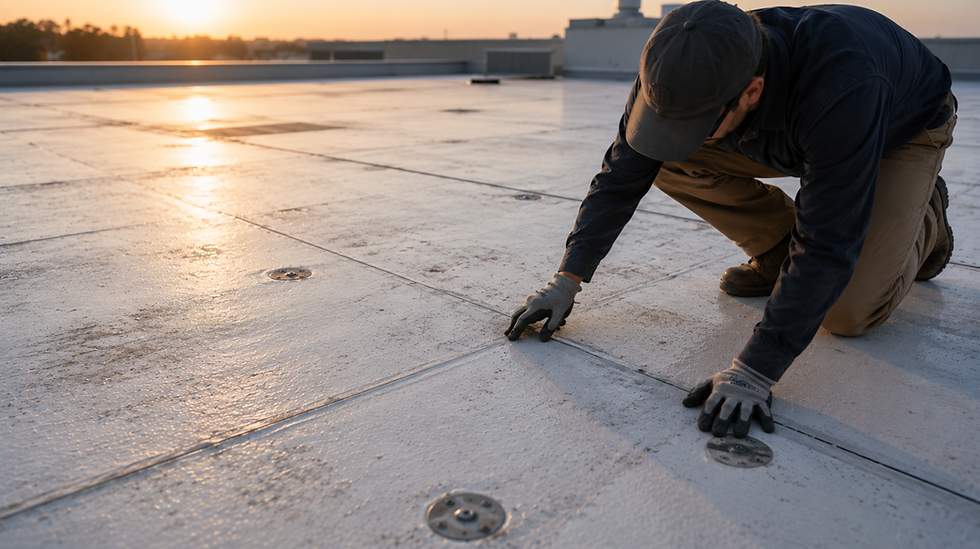
A thorough inspection process before any recommendation is made, since a reputable contractor should assess your roof's condition first rather than lead with a sales pitch
Clear explanation of the coating system being used and why it fits your specific roof type
Transparency about limitations, including telling you directly if your roof isn't a good candidate for coating
Written warranty details covering both materials and workmanship
At RoofHelp! | Coatings, these are the same standards our team applies on every property we evaluate across San Antonio, Austin, New Braunfels, Boerne, and San Marcos, starting with an honest assessment of whether restoration or another approach truly serves the property best.
If you'd like a starting point before scheduling an on-site visit, you can also request a virtual roof quote to get a preliminary sense of your options.
Making the Decision
There's no one-size-fits-all answer between coating and replacement, only the right answer for your specific roof, budget, and timeline. What matters most is getting an honest, inspection-based recommendation instead of assuming replacement is the only path forward. For many San Antonio properties, a well-executed roof coating system delivers the durability and energy performance homeowners and property managers are after, without the cost and disruption of starting from scratch.
Frequently Asked Questions
How long does a roof coating system last?
Longevity varies by product type and application, but high-performance coating systems are generally designed to protect a roof for many years before recoating is recommended. Regular inspections help determine the right recoating schedule for your specific property.
Can a roof coating be applied over any type of roof?
Coatings work best on roofs with sound structural decking and a compatible existing surface, particularly flat and low-slope roofing. A roof with structural damage or extensive material failure typically needs a different solution, which is why an inspection should always come first.
Will a roof coating actually lower my energy bills?
Reflective, waterproof coating systems reduce the amount of solar heat transferred into the building, which can lower cooling demand, especially on large flat commercial roofs that absorb significant heat throughout the day. The exact savings depend on your building's size, insulation, and current roof condition.
Is a roof coating cheaper than replacing my roof?
In most cases, yes. Because a coating system restores and protects the existing roof rather than removing and rebuilding it, the upfront cost is generally a fraction of full replacement, though exact pricing depends on roof size, condition, and the coating system selected.
How is a roof coating different from a simple roof repair?
A patch repair addresses an isolated problem area. A roof coating system treats the entire roofing surface, sealing seams, resisting water intrusion, and reflecting heat across the whole roof, providing broader, longer-term protection rather than a localized fix.
Conclusion
Choosing between a new roof and a roof coating system doesn't have to be a guessing game. Start with an honest look at your roof's actual condition, weigh the cost and disruption of each path, and think through what you're really trying to solve, whether that's stopping leaks, lowering energy bills, or simply extending the life of a roof that still has good years left in it. For many properties across San Antonio and the surrounding areas, restoration turns out to be the smarter, more cost-effective route to get there.
If you're weighing your options and want a straight answer about which route fits your property, get in touch with our team and we'll walk you through it.


Comments